
ESTUDIO TESA PARA CONSTRUCCIÓN E IMPLEMENTACIÓN DEL SISTEMA DE TRANSPORTE MASIVO (SITM) DEL ÁREA METROPOLITANA DE LAS CIUDADES LA PAZ Y EL ALTO (ETAPA 1)
Descripción General
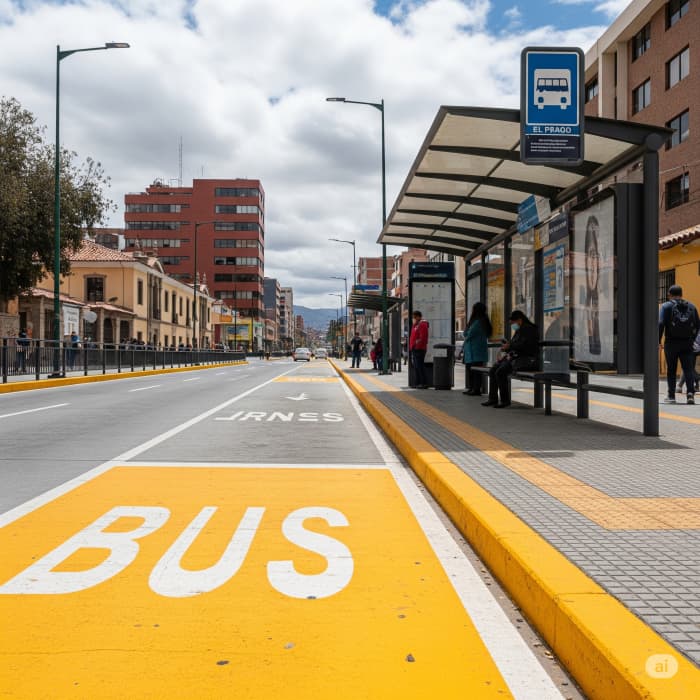
El proyecto consistió en el desarrollo del Estudio Técnico, Económico, Social y Ambiental (T.E.S.A.) que sentó las bases del primer Sistema Integrado de Transporte Masivo (SITM) para conectar La Paz y El Alto, un proyecto transformador que beneficiará a más de 1.5 millones de habitantes. Nuestro trabajo incluyó: Diseño de 23 km de corredores exclusivos con estaciones accesibles (300 m² c/u). Selección tecnológica óptima: 120 buses articulados Euro V (capacidad: 15,000 pasajeros/hora). Integración multimodal con el sistema Mi Teleférico y transporte tradicional. Modelación avanzada con software VISSIM y EMME/4 para optimizar flujos. Innovación y sostenibilidad: Plataformas inteligentes con control semafórico prioritario. Reducción del 32% en congestión y 28% en emisiones. Diseño sismo-resistente adaptado al altiplano (hasta 4,000 msnm). Impacto clave: 35-40% menos tiempo de viaje para usuarios. VAN económico de USD 285 millones. Generación de 3,000 empleos en fase de construcción.
Galería
Área Técnica
Ingeniería Vial y Transporte
Tipo de Servicio
CONSULTORÍA
Ubicación
La Paz, Bolivia
Período
2014 – 2015
ESTUDIO TESA PARA CONSTRUCCIÓN E IMPLEMENTACIÓN DEL SISTEMA DE TRANSPORTE MASIVO (SITM) DEL ÁREA METROPOLITANA DE LAS CIUDADES LA PAZ Y EL ALTO (ETAPA 1)
KRETCO S.R.L.
La Paz – Bolivia
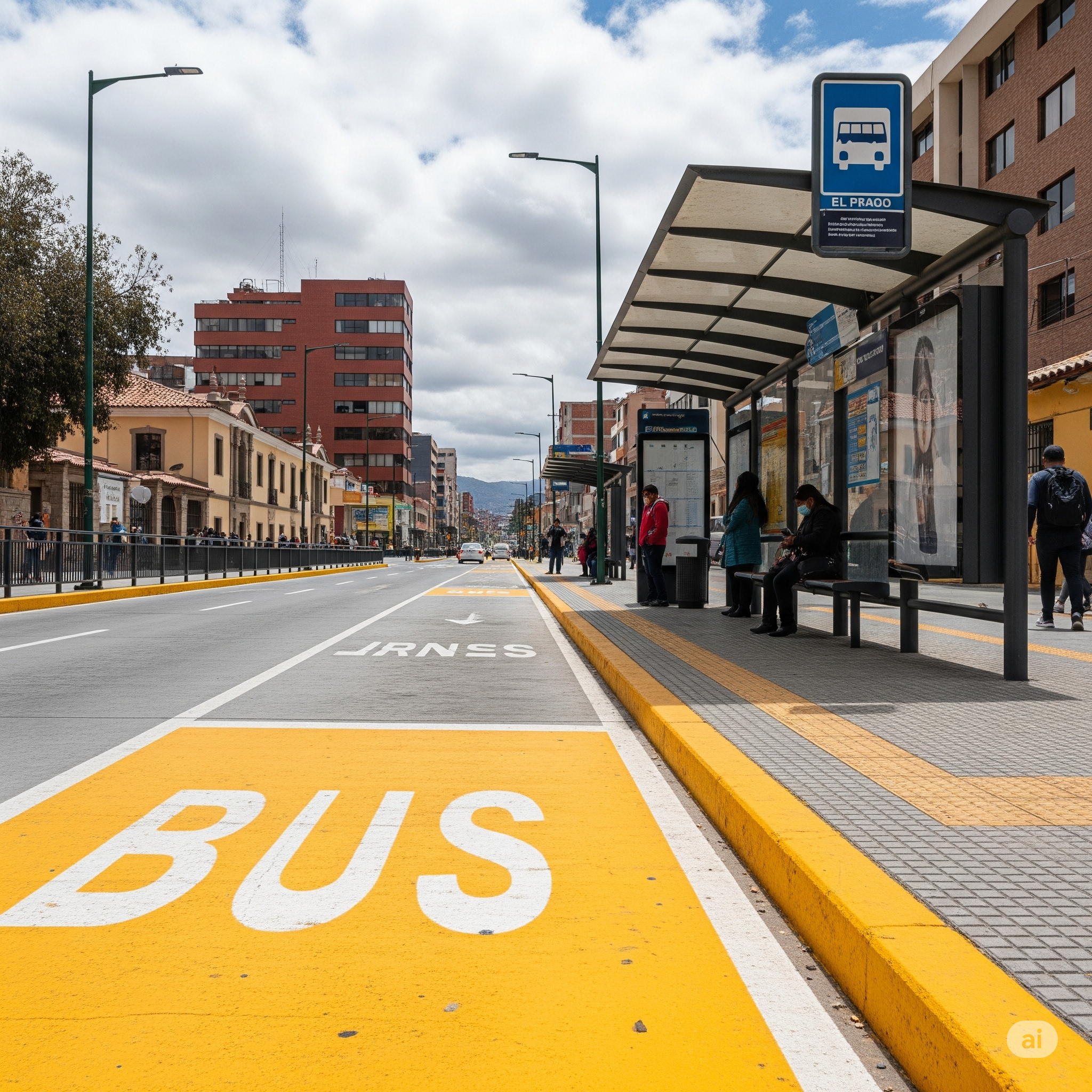
El proyecto consistió en el desarrollo del Estudio Técnico, Económico, Social y Ambiental (T.E.S.A.) que sentó las bases del primer Sistema Integrado de Transporte Masivo (SITM) para conectar La Paz y El Alto, un proyecto transformador que beneficiará a más de 1.5 millones de habitantes. Nuestro trabajo incluyó: Diseño de 23 km de corredores exclusivos con estaciones accesibles (300 m² c/u). Selección tecnológica óptima: 120 buses articulados Euro V (capacidad: 15,000 pasajeros/hora). Integración multimodal con el sistema Mi Teleférico y transporte tradicional. Modelación avanzada con software VISSIM y EMME/4 para optimizar flujos. Innovación y sostenibilidad: Plataformas inteligentes con control semafórico prioritario. Reducción del 32% en congestión y 28% en emisiones. Diseño sismo-resistente adaptado al altiplano (hasta 4,000 msnm). Impacto clave: 35-40% menos tiempo de viaje para usuarios. VAN económico de USD 285 millones. Generación de 3,000 empleos en fase de construcción.