
REVISIÓN, ACTUALIZACIÓN Y VALIDACIÓN DEL PROYECTO CONSTRUCCIÓN TÚNEL INCAHUASI
Descripción General
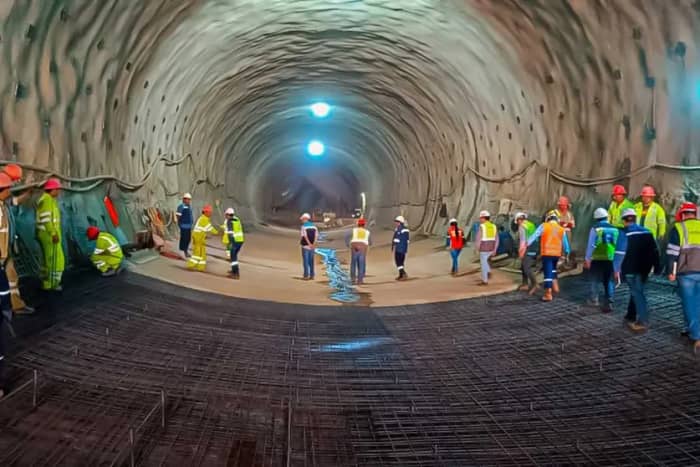
El proyecto consistió en la Revisión, Actualización y Validación del Estudio a Diseño Final del Túnel de Incahuasi y sus accesos, con el objetivo de garantizar la viabilidad técnica, económica y ambiental de su ejecución. El túnel proyectado tiene una longitud aproximada de 1.260 metros, y su diseño se alinea con estándares internacionales para infraestructura de transporte en zonas geográficas de alta complejidad. La sección transversal del túnel fue diseñada para asegurar condiciones óptimas de seguridad y operación, considerando un ancho total de plataforma de 10,00 metros, conformado por dos calzadas de 3,50 metros cada una, una mediana central de 2,00 metros, dos arcenes laterales de 0,50 metros y franjas de emergencia tipo acera de 0,80 metros a cada lado. La altura libre proyectada es de 5,00 metros, incorporando una revancha de 0,10 metros por recapamiento, lo cual permitirá futuras intervenciones sin afectar el gálibo operativo del túnel. De manera complementaria, se desarrolló el diseño de las obras de drenaje pluvial para el túnel, con el fin de mitigar la acumulación de aguas superficiales y subterráneas dentro de la estructura. También se diseñó una Planta de Tratamiento de Aguas Contaminadas generadas por las actividades dentro del túnel y el escurrimiento vehicular, además del diseño de un túnel falso que permitirá la transición estructural y funcional entre los portales y el terreno natural. Estos componentes técnicos responden a criterios de sostenibilidad y eficiencia hidráulica. En el marco de la gestión ambiental y social del proyecto, se ejecutó el Programa de Reposición de Pérdidas (PRP) para la liberación del derecho de vía, garantizando una intervención armónica con las comunidades locales y el entorno. Asimismo, se desarrolló el Estudio de Evaluación de Impacto Ambiental (EEIA) conforme a la normativa vigente, y se procedió a la actualización integral del presupuesto, precios unitarios, mano de obra y maquinaria, considerando el contexto económico actual y las condiciones específicas del área de intervención. Finalmente, como parte del enfoque integral del proyecto, se realizó la inventariación del camino existente que atraviesa el cerro donde se construirá el túnel, permitiendo identificar los tramos que requieren mantenimiento y rehabilitación. Esta acción busca garantizar la conectividad continua durante y después de la ejecución del túnel, optimizando los tiempos y costos de transporte en la región.
Galería

Área Técnica
Ingeniería Vial y Transporte
Tipo de Servicio
CONSULTORÍA
Ubicación
Chuquisaca, Bolivia
Período
2013 – 2014
REVISIÓN, ACTUALIZACIÓN Y VALIDACIÓN DEL PROYECTO CONSTRUCCIÓN TÚNEL INCAHUASI
KRETCO S.R.L.
Chuquisaca – Bolivia
El proyecto consistió en la Revisión, Actualización y Validación del Estudio a Diseño Final del Túnel de Incahuasi y sus accesos, con el objetivo de garantizar la viabilidad técnica, económica y ambiental de su ejecución. El túnel proyectado tiene una longitud aproximada de 1.260 metros, y su diseño se alinea con estándares internacionales para infraestructura de transporte en zonas geográficas de alta complejidad. La sección transversal del túnel fue diseñada para asegurar condiciones óptimas de seguridad y operación, considerando un ancho total de plataforma de 10,00 metros, conformado por dos calzadas de 3,50 metros cada una, una mediana central de 2,00 metros, dos arcenes laterales de 0,50 metros y franjas de emergencia tipo acera de 0,80 metros a cada lado. La altura libre proyectada es de 5,00 metros, incorporando una revancha de 0,10 metros por recapamiento, lo cual permitirá futuras intervenciones sin afectar el gálibo operativo del túnel. De manera complementaria, se desarrolló el diseño de las obras de drenaje pluvial para el túnel, con el fin de mitigar la acumulación de aguas superficiales y subterráneas dentro de la estructura. También se diseñó una Planta de Tratamiento de Aguas Contaminadas generadas por las actividades dentro del túnel y el escurrimiento vehicular, además del diseño de un túnel falso que permitirá la transición estructural y funcional entre los portales y el terreno natural. Estos componentes técnicos responden a criterios de sostenibilidad y eficiencia hidráulica. En el marco de la gestión ambiental y social del proyecto, se ejecutó el Programa de Reposición de Pérdidas (PRP) para la liberación del derecho de vía, garantizando una intervención armónica con las comunidades locales y el entorno. Asimismo, se desarrolló el Estudio de Evaluación de Impacto Ambiental (EEIA) conforme a la normativa vigente, y se procedió a la actualización integral del presupuesto, precios unitarios, mano de obra y maquinaria, considerando el contexto económico actual y las condiciones específicas del área de intervención. Finalmente, como parte del enfoque integral del proyecto, se realizó la inventariación del camino existente que atraviesa el cerro donde se construirá el túnel, permitiendo identificar los tramos que requieren mantenimiento y rehabilitación. Esta acción busca garantizar la conectividad continua durante y después de la ejecución del túnel, optimizando los tiempos y costos de transporte en la región.